Asia Pacific is entering a critical phase in its energy transition, with rapidly rising electricity demand and increasing pressure to decarbonise driving renewed interest in nuclear power. Recent geopolitical tensions—particularly the ongoing conflict involving Iran, have highlighted these vulnerabilities, with disruptions to the Strait of Hormuz severely impacting global energy flows and driving sharp price increases. Oil prices have surged dramatically, in some cases rising over 50% within a single month, while millions of barrels per day have been taken offline, creating volatility across global markets. These disruptions have reinforced a critical reality for Asia Pacific: reliance on imported oil and gas is a structural risk, and stable, domestically controlled energy sources such as nuclear are becoming essential for long-term energy security. Globally, nuclear power already generates over 2,600 TWh annually and supplies about 9% of electricity, positioning it as a reliable, low-carbon baseload solution amid increasing uncertainty.
Within this regional context, Malaysia has renewed its focus on nuclear energy as part of its long-term strategy to strengthen energy resilience, support economic growth, and achieve net-zero carbon targets. Under the Ministry of Energy Transition and Water Transformation and related agencies, Malaysia is conducting detailed feasibility and pre-feasibility studies to evaluate nuclear power—particularly small modular reactors (SMRs)—as a stable and scalable energy source. The National Energy Transition Roadmap and the 13th Malaysia Plan identify nuclear as a potential contributor to the national energy mix, with current timelines suggesting possible introduction as early as 2031, subject to final policy decisions after 2030. Malaysia is also strengthening its regulatory and governance frameworks, focusing on safety standards, workforce development, nuclear safeguards, and public communication, while leveraging groundwork from earlier nuclear initiatives to accelerate readiness in a rapidly evolving global energy landscape.
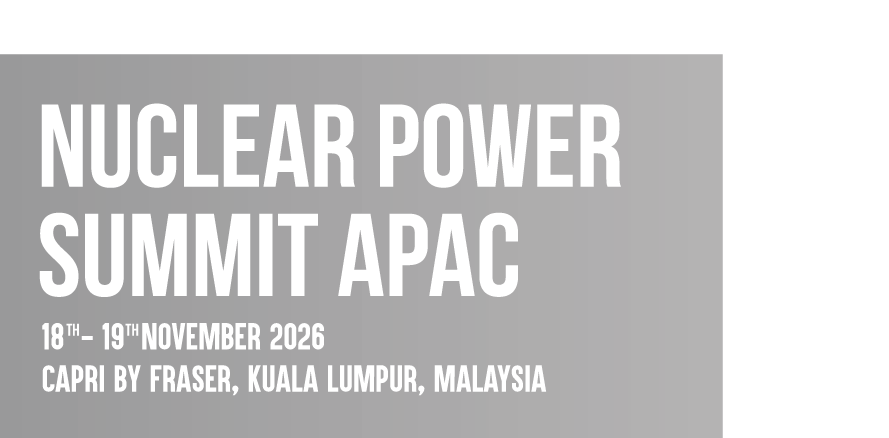
Beyond addressing climate commitments and energy resilience, nuclear development presents significant opportunities for industrial growth, high-value job creation, supply chain localisation, and international collaboration in advanced technologies such as SMRs, digital monitoring, and hybrid energy systems. However, key challenges remain, including high capital costs, long development timelines and waste management. These dynamics underscore the urgent need for coordinated dialogue among policymakers, regulators, utilities, investors, and technology providers. The Nuclear Power Summit APAC conference by Trueventus will bring together industry leaders, subject matter experts, and future stakeholders to explore nuclear readiness, risks, and business opportunities. Gain actionable insights into regulatory frameworks, financing models, technology selection, and infrastructure preparedness required to support a safe, secure, and sustainable nuclear programme in an increasingly volatile global energy environment.