






UPCOMING EVENTS
 2nd Annual Cleanroom Manufacturing
23 – 24 September 2026 | Capri by Fraser, Kuala Lumpur, Malaysia
The APAC Cleanroom Technology Market is valued at USD 2.1 billion, driven by rising demand from the pharmaceutical, biotechnology, and semiconductor industries, where strict cleanliness standards are critical for product quality and safety.
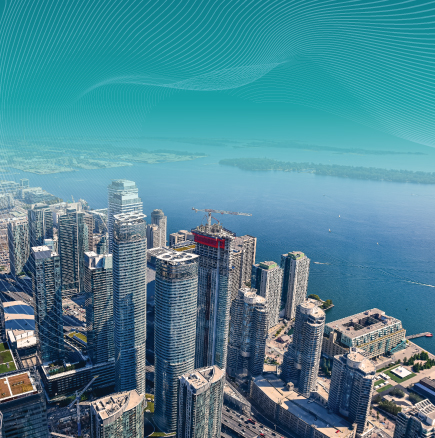 Waterfront Revitalization & Urban Renewal
23 – 24 September 2026 | Crowne Plaza Toronto – North York by IHG, Toronto, Canada
Toronto is undertaking one of the most ambitious urban renewal and waterfront regeneration programs in North America, transforming both its lakefront and inner-city communities.
 5th Annual Modular & AI Construction Tech Senate
21 – 22 October 2026 | ProfilHotels Richmond, Copenhagen
Modular housing combined with AI-driven design optimisation, generative planning tools, and automated manufacturing workflows is becoming an extraordinarily powerful instrument for easing housing shortages and delivering better living conditions at scale.
 Facilities Management Congress Brisbane
4 – 5 November 2026 | Stamford Plaza Brisbane, Australia
The Australian facility management (FM) market is experiencing steady growth as organisations increasingly prioritise efficiency, sustainability, and digital transformation. The market reached USD 691.3 million in 2024 and is projected to grow to USD 1,303.4 million by 2033, representing a CAGR of 7.3% between 2025 and 2033.
 Facilities Management Congress Philippines
11 – 12 November 2026 | F1 Hotel Manila BGC, Manila, Philippines
As the Philippines steadily urbanises and modernises its built environment, demand for efficient, technology-enabled facilities management (FM) services is clearly rising. The national FM market is estimated at around USD 4.15 billion in 2025.
 AI Agents
18 – 19 November 2026 | Capri by Fraser, Kuala Lumpur, Malaysia
According to industry estimates, Malaysia’s digital economy is projected to contribute over 25% of GDP in the coming years, while global studies such as PwC highlight that 88% of executives plan to increase AI investment within the next 12 months, driven largely by advancements in agentic AI.
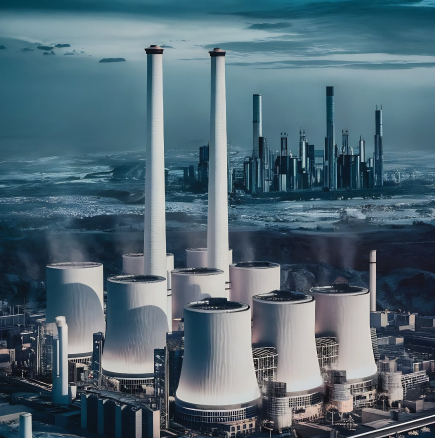 Nuclear Power Summit APAC
18 – 19 November 2026 | Capri by Fraser, Kuala Lumpur, Malaysia
Globally, nuclear power already generates over 2,600 TWh annually and supplies about 9% of electricity, positioning it as a reliable, low-carbon baseload solution amid increasing uncertainty.
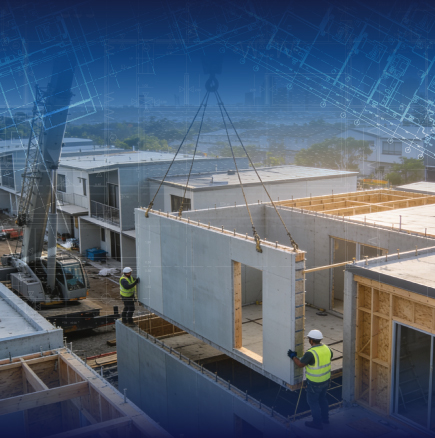
6th Annual Modern Methods of Construction
24 – 25 February 2027 | Royal on the Park Hotel, Brisbane, Australia
The Australian modular construction market is experiencing strong structural growth, valued at USD 11.8 billion in 2025 and projected to reach USD 17.1 billion by 2034, growing at a CAGR of 4.05% (2026–2034).

Multi-Unit Residentials
24 – 25 February 2027 | Royal on the Park Hotel, Brisbane, Australia
The Australian multi-unit residential construction market is experiencing significant momentum, driven by a chronic national housing shortage, strong population growth, and ambitious government targets under the National Housing Accord to deliver 1.2 million new homes by 2029.
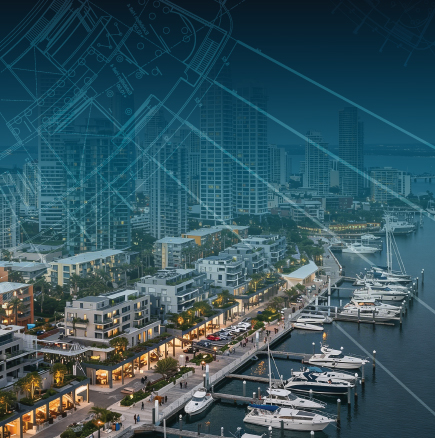
Waterfront & Marina Development
24 – 25 February 2027 | Royal on the Park Hotel, Brisbane, Australia
Australia is home to more than 850 marinas and over 70,000 recreational vessels, supporting a marine industry valued at over AUD 10 billion annually.
 6th Annual Modular, Prefab & Construction Tech Senate
3 – 4 March 2027 | Crowne Plaza Toronto – North York by IHG, Toronto, Canada
A recent RBC Thought Leadership report warns that Canada must deliver as many as 480,000 housing units annually through 2035 to restore affordability and meet projected demand, a target impossible to reach through conventional construction alone.
 AI & Smart Innovation in Construction
3 – 4 March 2027 | Crowne Plaza Toronto – North York by IHG, Toronto, Canada
The global AI in construction market is projected to grow from approximately USD 5 –11 billion in 2025 to between USD 15 –24 billion by 2030, reflecting accelerating investment in intelligent infrastructure systems and data-driven construction capabilities.
 4th Annual Military UAS & Counter-UAS
24 – 25 March 2027 | Amari Bangkok Hotel, Bangkok, Thailand
Global defence spending on military drones is projected to exceed USD 70 billion by 2030, driven by advancements in artificial intelligence, autonomy, sensor fusion and swarm technologies.
 Air Defense Systems
24 – 25 March 2027 | Amari Bangkok Hotel, Bangkok, Thailand
A The skies above the modern battlefield have become the most contested domain in contemporary warfare, and no theatre has demonstrated this more starkly than the Middle East.
 Future Soldier Summit
24 – 25 March 2027 | Amari Bangkok Hotel, Bangkok, Thailand
In the past fifty years, the landscape of warfare has been drastically reshaped given current geopolitical frictions. A couple of decades ago, advanced weaponry and some tactics would’ve been enough to claim victory.
 2nd Annual Cleanroom Manufacturing
14 – 15 April 2027 | Melbourne, Australia
The aseptic fill-finish market, valued at USD 6.48 billion in 2025, is projected to reach USD 14.01 billion by 2034, growing at a CAGR of 8.94%.
 Supply Chain Congress 2027
21 – 22 April 2027 | Kuala Lumpur, Malaysia
Malaysia’s logistics sector has attracted US$12 billion in FDI since 2023, while global nearshoring and supply chain reallocation from China continue to draw multinational manufacturers into the country’s industrial ecosystem.

5th Annual Modular Construction & Prefabrication
21 – 22 April 2027 | Dubai, UAE
Modular construction and prefabrication are becoming critical to the UAE’s ability to deliver large-scale, high-quality developments at speed, as the market responds to rapid urban growth, labour constraints, rising construction costs, and increasingly stringent sustainability expectations.
 Chief Digital Officer Congress
5 – 6 May 2027 | Singapore
Singapore’s digital economy continues to be one of the fastest-growing contributors to national growth, accounting for approximately 17% of GDP, significantly above many developed economies.
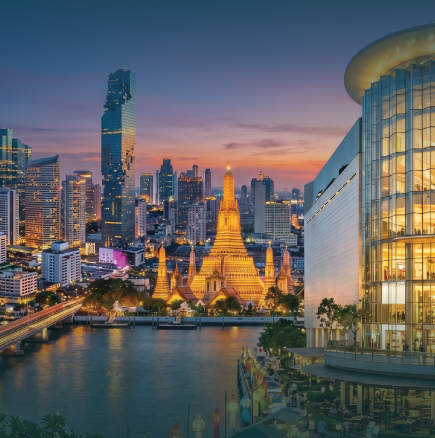 16th Annual Shopping Malls Summit
12 – 13 May 2027 | Amari Bangkok, Thailand
Southeast Asia’s shopping mall industry continues to show remarkable resilience, driven by a young, digitally integrated population transitioning malls into vibrant mixed-use, lifestyle destinations.
 Facilities Management Congress Bangkok
26 – 27 May 2027 | Bangkok, Thailand
The global Facilities Management (FM) industry is entering a pivotal phase of transformation, particularly across the Asia-Pacific region where growth is being driven by rapid urbanisation, large-scale infrastructure expansion, and rising ESG expectations.